A few years ago, “bio-hacking” sounded extreme. Like something only Silicon Valley founders or fitness fanatics were doing. Cold plunges at 5 a.m. Weird supplements. Obsessing over numbers no one else understood.
That image doesn’t hold anymore.
Today, bio-hacking has become surprisingly normal. It’s not about pushing your body to extremes—it’s about understanding it better. Why you feel tired even after eight hours of sleep. Why certain foods drain your energy. Why some mornings feel sharp and focused while others feel foggy.
And the biggest reason bio-hacking went mainstream?
Wearable health technology.
From Guesswork to Data: Why Bio-Hacking Feels Different Now
For most of our lives, health advice has been generic.
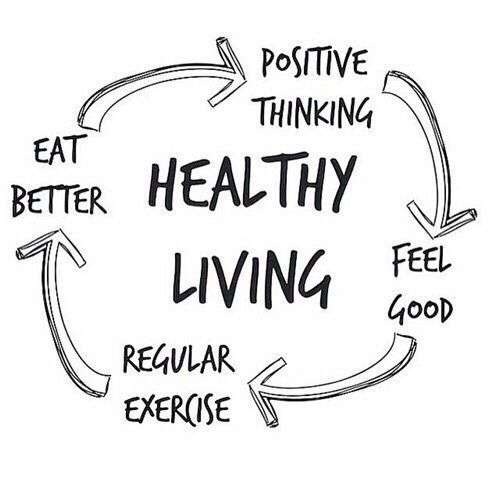
Sleep more. Eat better. Exercise regularly.
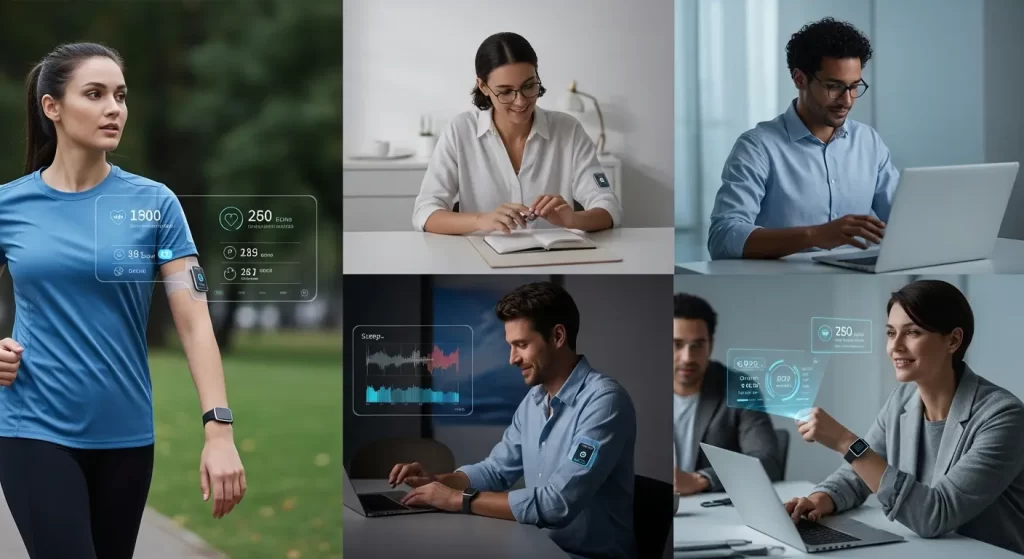
All good advice—but vague. Wearable devices changed that by turning invisible processes into visible patterns. Suddenly, you’re not guessing. You’re seeing.
Your sleep quality isn’t just “good” or “bad.”
Your stress isn’t just “high” or “low.”
It’s measurable. Trackable. Personal.
This shift—from assumptions to data—is what’s driving the new wave of bio-hacking.
Smart Rings vs. Smart Watches: The Sleep Debate Nobody Talks About Honestly
Sleep is usually where people start. Not because it’s trendy, but because everything improves when sleep improves.
Smart Watches: Powerful, but Not Always Comfortable
Smart watches do a lot. Steps, workouts, heart rate, notifications, calendars—the whole ecosystem lives on your wrist.
They’re great during the day. At night? Mixed experience.
Many users quietly admit this: sleeping with a watch can feel intrusive. The weight, the screen lighting up, the awareness that something is strapped to your arm—it can subtly affect sleep itself.
Smart Rings: Built for the Background
Smart rings take a quieter approach. No screen. No buzzing. No distractions.
They focus on:
- Sleep stages
- Body temperature changes
- Resting heart rate
- Recovery patterns
Recent 2026 research suggests that for long-term sleep consistency, rings perform exceptionally well. That’s why many people searching for the best sleep tracker 2026 are leaning toward smart rings—not because they’re flashy, but because they disappear while doing their job.
Sometimes, less tech actually means better results.
Continuous Glucose Monitors: Why Even Healthy People Are Using Them
This is where things get interesting.
Continuous glucose monitors (CGMs) were designed for people managing diabetes. Now, people without any medical condition are wearing them—and learning uncomfortable truths.
What a CGM Really Shows You
A CGM tracks how your blood sugar changes throughout the day. Eat a meal, stress out, go for a walk—it all shows up.
The shock for many users? Foods they thought were “healthy” spike their glucose. Foods they avoided barely make a dent.
Is It Worth the Cost?
The continuous glucose monitor price in 2026 sits around $300 for limited use. That’s not cheap—but for many, the insight is eye-opening.
It’s not about control. It’s about awareness. Once you see how your body reacts, you naturally make better choices—without forcing discipline.
Bio-Hacking Your Morning Without Turning It Into a Chore
A common mistake people make with bio-hacking is overdoing it. Too many tools. Too many rules. Too much pressure.
The truth? Small changes work best.
Simple Biohacking Gadgets That Actually Help
People are finding value in:
- Light therapy lamps that signal your brain it’s daytime
- Smart alarms that wake you during lighter sleep cycles
- Wearables that suggest recovery-friendly mornings
Pair these biohacking gadgets with simple habits:
- Get daylight early
- Avoid phone doom-scrolling first thing
- Check your data briefly—then move on
Bio-hacking isn’t about perfection. It’s about stacking small wins.
Why Wearable Health Tech Feels Smarter Every Year
The biggest change isn’t hardware—it’s interpretation.
Modern wearables don’t just show charts anymore. They explain patterns. They say things like:
- “You slept enough, but recovery was low.”
- “Stress yesterday impacted today’s energy.”
- “Your body responds better to earlier meals.”
This is where AI quietly steps in—not to replace judgment, but to support it.
So… Is Bio-Hacking Actually Worth It?
Here’s the honest answer:
Wearables won’t fix your life.
But they remove excuses and guesswork.
When you can see the impact of sleep, food, and stress in real numbers, denial gets harder. And better choices become simpler—not because you’re forcing yourself, but because the feedback loop is clear.
Bio-hacking today isn’t extreme. It’s practical. It’s personal. And it’s increasingly normal.
Final Thought
Wearable health technology isn’t about becoming obsessed with metrics. It’s about listening to your body in a language it finally understands—data.
If you’re curious about improving energy, focus, or long-term health, bio-hacking doesn’t require radical change. Just curiosity and consistency.
Let’s Talk
Have you tried a smart ring, smart watch, or CGM?
Did it change how you sleep, eat, or manage stress?
Drop your experience in the comments. And if you want more honest, grounded takes on wearable tech and bio-hacking—subscribe and stay curious.