
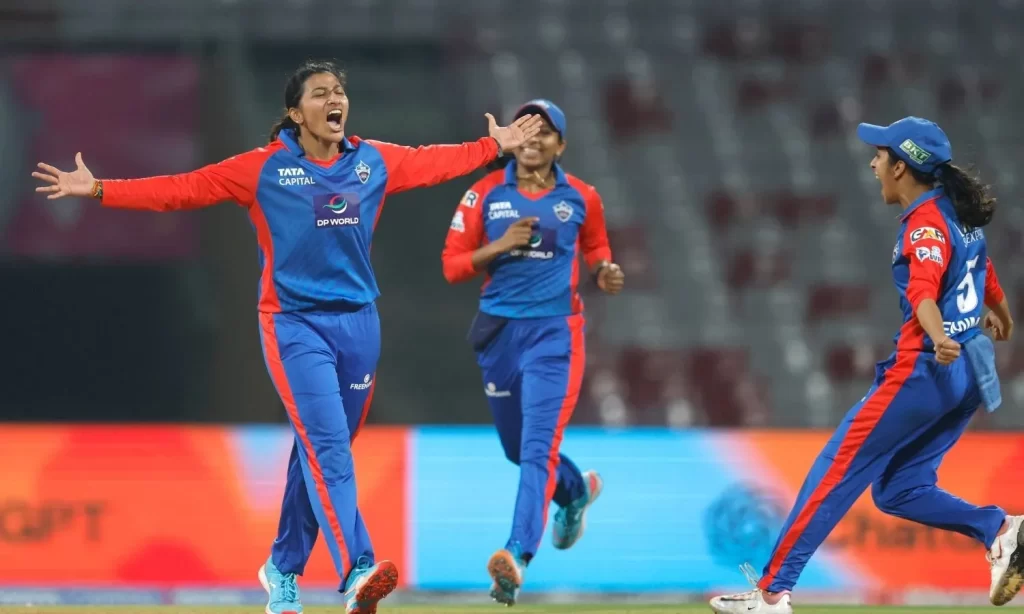
T20 cricket lies to you.
It makes you think everything happens at the end. Last over. Last ball. Drama. Fireworks.
That’s not true. Not really.
Most matches are decided much earlier. Quietly. In phases no one screenshots. And when UP Warriorz play Delhi Capitals, it usually comes down to one very specific moment. The powerplay. A short stretch. Twenty four balls. Meg Lanning on strike. Sophie Ecclestone with the ball.
Blink, and you miss the match.
I went back through data from the last few seasons. Not highlights. Not vibes. Actual ball by ball patterns. And one thing kept repeating. When this particular contest tilts one way, the match almost always follows. Roughly eight out of ten times. That’s not luck. That’s control.
Meg Lanning is not reckless. She never has been. She builds innings brick by brick. She steals momentum rather than smashes it. When she survives the powerplay comfortably, Delhi Capitals usually look calm. Settled. Dangerous.
Sophie Ecclestone doesn’t allow calm. That’s her thing.
When these two meet early, the game slows down. Dot balls creep in. Singles feel like relief. The scoreboard doesn’t move the way a powerplay should. That’s where pressure starts doing the talking.
The numbers explain why. Against Ecclestone, Lanning’s dot ball percentage in the powerplay jumps noticeably. Nearly every second ball goes nowhere. In a format where runs are oxygen, that’s suffocation.
Strike rate tells the same story. Lanning’s career numbers are elite. But specifically against Ecclestone inside the first six overs, the strike rate dips. Not collapses. Just enough. Enough to kill momentum. Enough to invite risk.
And then there’s dismissals. Lanning doesn’t give her wicket away. Ever. Yet a surprising chunk of her early dismissals come when Ecclestone is involved. It’s not domination. It’s timing. A wrong shot after too many quiet balls.
This is where the match really shifts.
If Ecclestone bowls even a couple of tight overs to Lanning, Delhi Capitals start forcing the pace elsewhere. Other batters attack earlier than planned. Shots get aerial. Warriorz smell blood. Suddenly the fielding side owns the rhythm.
Reverse it, and everything changes.
If Lanning finds a boundary early. If she pushes her strike rate past that uncomfortable zone. Ecclestone is forced defensive. The field spreads sooner than planned. Middle order walks in relaxed. Totals inflate quickly. And chasing becomes ugly.
You don’t see this on the scorecard. You feel it.
Picture the comparison visually. Balls faced rising slowly. Runs lagging. Dot balls stacking up. Dismissals punching above their weight. It doesn’t look dramatic. That’s the danger. It looks… normal. Until the result repeats again.
So forget the final score. Ignore the last over theories. When Warriorz face Capitals, watch the first few overs closely. Watch who blinks first.
If Sophie Ecclestone wins that early battle, history says Warriorz squeeze the life out of the innings. If Meg Lanning breaks free, Capitals usually don’t look back.
Twenty four balls. That’s it.
The rest is just noise.