Category: Psychology & Digital Culture | Read Time: 4 min
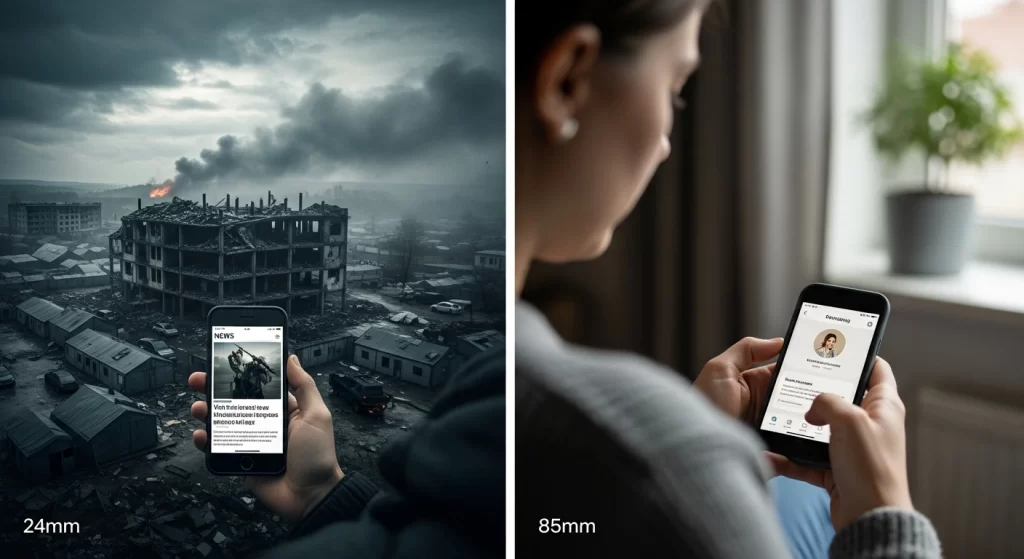
It was about 11pm on a Tuesday. I’d spent twenty minutes reading about escalating tensions in three different parts of the world, followed by a piece about inflation projections that made me feel briefly nauseous, followed by a thread about something I can’t even remember now but was definitely bleak.
And then, without quite deciding to, I switched apps and started swiping.
I noticed what I’d done almost immediately and felt vaguely ridiculous about it. But I also noticed — and this is the part that stuck with me — that I felt slightly better. Not informed-better or problem-solved-better. Just… less like the walls were closing in.
It turns out there’s a name for this, and a surprisingly coherent explanation for why it happens.
The Paradox That Isn’t Really a Paradox
Researchers and people who study digital behavior have started calling this the “doom-swiping paradox” — the pattern where people consume the most stressful possible news content and then immediately pivot to dating apps, flirtatious chats, or romantic messaging platforms.
On the surface it looks like avoidance or distraction. But the psychology underneath it is more interesting than that.
There’s a theory in psychology called Terror Management Theory — the idea that when humans are reminded of their own mortality, or of how fragile and uncertain life can be, they unconsciously reach for things that reaffirm that life is worth living. Connection. Desirability. The feeling that someone, somewhere, finds you interesting.
Reading about war and economic collapse is, at a subconscious level, a reminder that existence is precarious. The brain registers this even when you’re not consciously processing it as a personal threat. And one of the ways it responds is by activating the impulse toward intimacy — toward the most fundamental confirmation that you’re alive and present and connected to other people.
Swiping on a dating app after doom-scrolling isn’t irrational. It’s the nervous system trying to rebalance itself.
What’s Actually Happening in the Brain
The chemistry is pretty direct once you know what to look for.
Stressful news elevates cortisol — the hormone your body produces under threat. Sustained cortisol is exhausting; it’s the biological cost of feeling like something bad might happen. Romantic or flirtatious interaction, even through a screen, triggers dopamine and oxytocin — the reward and bonding neurochemicals that operate as a kind of physiological counterweight to stress.
You’re not chasing pleasure exactly. You’re chasing relief. And the brain has learned, efficiently, that a flirtatious exchange or a match notification or an intimate conversation delivers that relief faster than almost anything else available at 11pm on a Tuesday.
The same phone that handed you the anxiety is now offering you the antidote. Of course you take it.
It’s Not About the App. It’s About the Instinct.
In previous generations, this same impulse would have looked different. People sought out community, gathered with neighbors, found comfort in physical proximity to other humans. The instinct is the same. The medium has just changed.
What dating apps and AI companionship platforms have done is make that instinct available instantly, privately, and without any of the friction of physical social interaction. When the world feels like it’s on fire, you don’t have to call anyone or go anywhere. The reassurance is three taps away.
That accessibility is why these platforms consistently see spikes in activity during periods of global crisis. It’s not that people become more romantic when the news is bad. It’s that the need for connection — for the specific feeling that you exist and matter and are desired by someone — becomes more urgent. And urgent needs find the fastest available path.
I still feel a little silly about that Tuesday night. But I also understand it now, which is almost the same as forgiving myself for it.