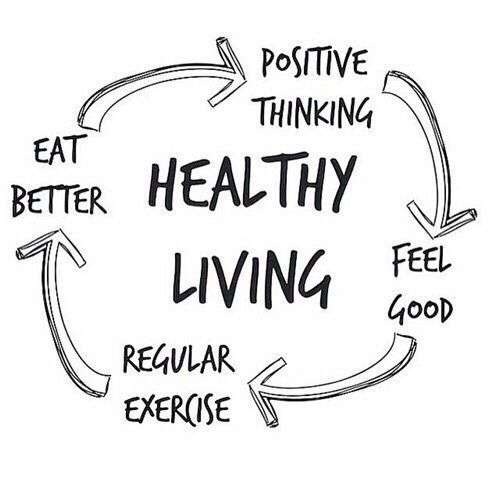

We are in the middle of a dilemma. We have more gyms, “health foods,” and diet apps than ever before, but we are sicker, fatter, and more weary than ever before. Every January, the same thing happens: we stop eating, hit the treadmill, drop a few pounds, and then watch in horror as it all comes back by March.
The issue isn’t that you’re lazy. It’s not that you don’t have willpower. The issue is that you are waging a biological war with the incorrect armaments.
Recent discoveries about metabolic health have shown that losing weight is not a math problem (calories in vs. calories out); it is a hormonal problem. No matter how much you run, if your molecular signals are instructing your body to store fat, it won’t help.
Here is a list of the genuine problems that hurt your health and the science-based ways to lose fat, eliminate brain fog, and get your energy back.
- The “Move More, Eat Less” Trap
The issue: For the last fifty years, we’ve been told that the human body is like a bank account: if you use more energy than you put in, you lose weight. But the body isn’t a bank; it’s a machine that keeps you alive. Your body goes into panic mode when you cut calories by a lot without adjusting your hormones. It believes that a famine has come. In reaction, it raises your hunger hormones and lowers your metabolism to save energy. This is why you feel cold, fatigued, and hungry when you eat very few calories, and why the weight always comes back.
The answer is to stop measuring calories and start controlling insulin.
Insulin controls how much fat is stored. When your insulin levels are high (because of carbohydrates and carbs), your fat cells are locked shut. When insulin is flowing, you can’t burn fat. The answer is to reduce your insulin baseline by eating less often and cutting back on processed carbs. When insulin levels drop, the “lock” opens, and your body eventually changes the way it gets energy by burning its own fat stores. You don’t have to go hungry; you simply need to open the pantry.
- The “Brain Fog” Epidemic
The Problem: Do you hit a wall at 3 PM? Do you feel worried, unfocused, or “foggy” in the middle of the day? A “glucose rollercoaster” is typically to blame for this. If you only eat sugar (glucose), your brain will be at the mercy of blood sugar spikes and crashes. When the crash happens, your brain is physically famished for fuel, which makes you anxious and irritable.
The answer is to switch to ketones, a type of hybrid fuel. When you fast or consume low-carb, your liver makes ketones, which are a “super-fuel.” Unlike glucose, ketones burn cleanly and steadily, which makes your mind more clearer. Intermittent Fasting (eating just during an 8-hour window) or following a ketogenic diet will help you get into this natural condition. Drinking exogenous ketones can give you a quick mental boost without having to follow a rigorous diet. It’s like a switch that clears the fog in your brain.
- The Mistake at Breakfast
The Problem: Breakfast staples like cereal, toast, orange juice, and oat milk lattes are really just “dessert” in disguise. Also, our systems are more resistant to insulin in the morning because cortisol (the stress hormone) levels rise. When you eat a lot of sugar first thing in the morning, your body makes a lot of insulin, which makes you store fat and crash your energy all day.
The Answer: The Savory Morning Rule. Don’t eat if you’re not hungry. This is the easiest method to fast. Make sure your food is savory if you do eat. Concentrate on proteins and healthy fats, such eggs, avocados, leftovers, or Greek yogurt. Don’t eat your carbs till dinner. You can keep your body in “fat-burning mode” during your most productive hours by keeping your glucose curve flat in the morning.
- The Muscle Crisis (Sarcopenia)
The Problem: We lose muscular mass as we get older, not simply collagen in our skin. Sarcopenia is a disorder that causes frailty, falls, and metabolic dysfunction in older people. A lot of individuals, especially women, don’t want to gain muscle because they think it would make them “bulky.” They don’t know that muscle is the organ of longevity. It makes a “sink” for glucose to go into, which keeps you from getting diabetes.
The answer is to use creatine and resistance training. Bodybuilders aren’t the only ones that use creatine. It is one of the safest and best studied supplements on the market. It helps your cells recycle energy (ATP), which lets your muscles work harder and, most importantly, improves your memory and brain function, especially when you don’t get enough sleep. Think of it as a shield for your mind and body.
- The Secret Cost of Weight Loss Drugs
The Problem: A new type of “miracle” weight loss injectable called GLP-1 agonists is taking over the world. They indeed decrease your hunger, but there’s a big catch: up to 40% of the weight you lose is lean muscle, not fat. Your metabolic rate goes down when you lose muscle. When you stop taking the medicine, you will probably gain the weight back as pure fat, which will make your body fat percentage higher than it was before. This is called “sarcopenic obesity.”
The answer is to use them as training wheels instead of a crutch. You have to work hard to keep your muscle if you use these techniques. This includes eating a lot of protein (which is hard to do when you’re not hungry) and doing out with weights every day. The idea should be to utilize the medicines for a short “sprint” to overcome food addictions and develop the habits you need to stop using them.
- The Sabotage at Night
The Problem: Eating right before bed is probably the worst thing you can do for your metabolism. Your body is busy digesting food instead of fixing itself when you eat late. Even worse, the drop in blood sugar that happens while you sleep produces adrenaline and cortisol, which wakes you up at 3 AM with a pounding heart and keeps you from getting deep, restorative sleep.
The answer is to set a time limit for the kitchen. Don’t eat for 3 to 4 hours before you go to bed. If you go to bed with an empty stomach, your insulin levels will be low, which will let your body produce growth hormone and do deep cellular cleaning (autophagy) as you sleep.
- Flying Blind Without Information
The Problem: We keep track of our steps, sleep, and money, but we don’t often keep track of what’s going on in our blood. We depend on a yearly exam that tells us our “fasting glucose” is fine, but we don’t realize that our insulin could be really high only to keep that glucose normal. The damage is already done by the time glucose levels go up.
Get a Continuous Glucose Monitor (CGM) as a solution.
A CGM is a little sensor that you wear on your arm that shows you how high your blood sugar is right now. It tells the truth every time. You might find out that your “healthy” porridge raises your blood sugar more than a candy bar, or that stress at work is messing up your metabolism. This information makes you act differently faster than any doctor’s lecture ever could.