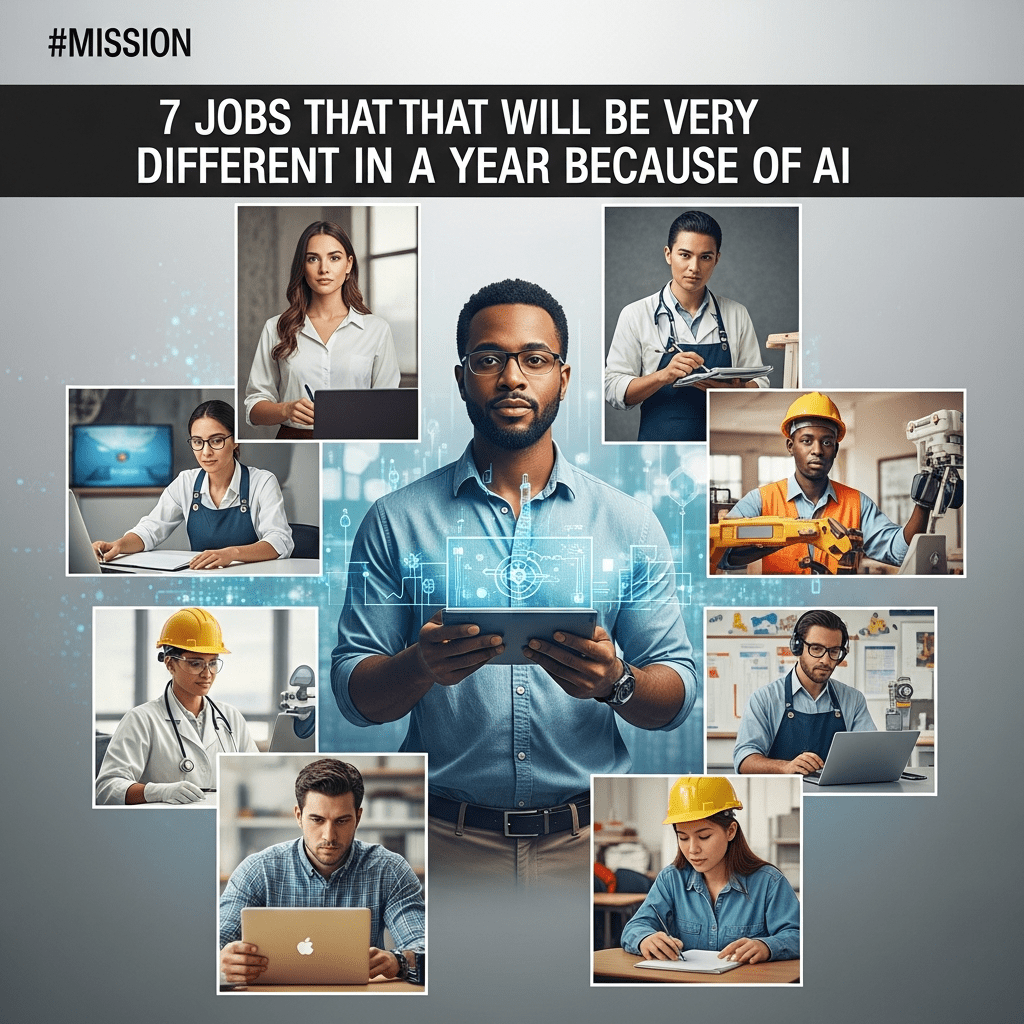
We don’t only read about AI in science fiction books anymore. It’s already affecting how we work, shop, talk to each other, and even think. As we approach closer to 2026, the question isn’t if AI will take over jobs, but how quickly it will do so.
There are still a lot of regular occupations out there, but they’re changing faster than ever. If professionals comprehend this transformation, they may stay ahead instead of feeling left behind.
- Managers of customer service
AI chatbots can now answer basic questions right away, any day of the week, at any time. But this doesn’t mean that positions in support will go away. People are becoming problem-solvers and relationship builders who can deal with tough or sensitive situations that robots can’t manage successfully.
- People who write and market content
AI tools may swiftly come up with ideas, drafts, and captions. In 2026, the real value of human authors will be in their capacity to tell tales, come up with new ideas, and connect with people on an emotional level. Writers who use AI instead of fighting it will get better faster.
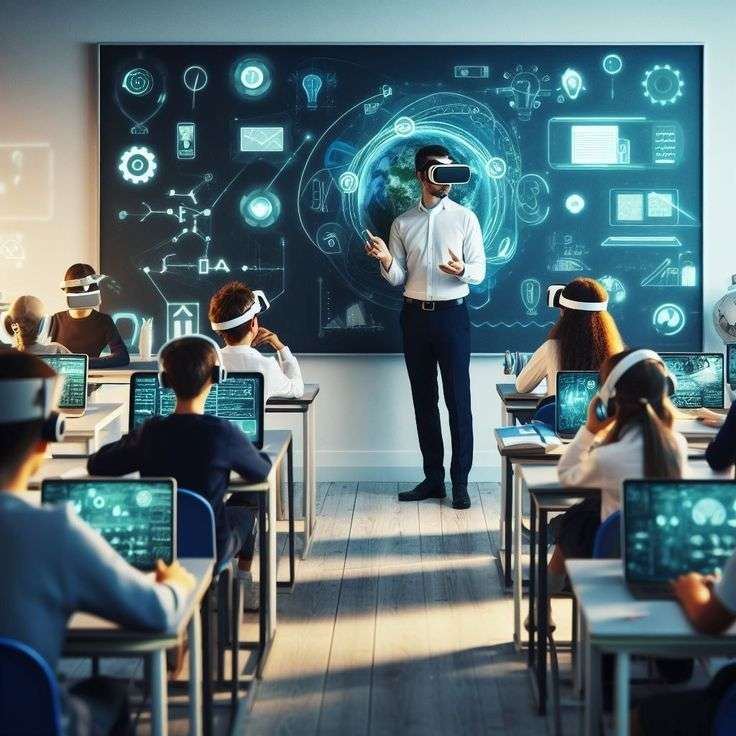
- Trainers and teachers
AI tutors can provide each pupil their own lessons. But students still need aid, support, and someone who gets them. Teachers are transforming from people who give forth information to those who help others learn and mentors.
- People who make graphics
Design tools that use AI can quickly produce logos, layouts, and pictures. Designers who are good at what they do will think about more than just tools. They will also think about branding, creativity, and strategic design.
- People who keep books
More and more often, people are automating mundane data entry and calculations. Accountants of days do more than simply file taxes. They also help people organize their finances, give advise, and share information about businesses.