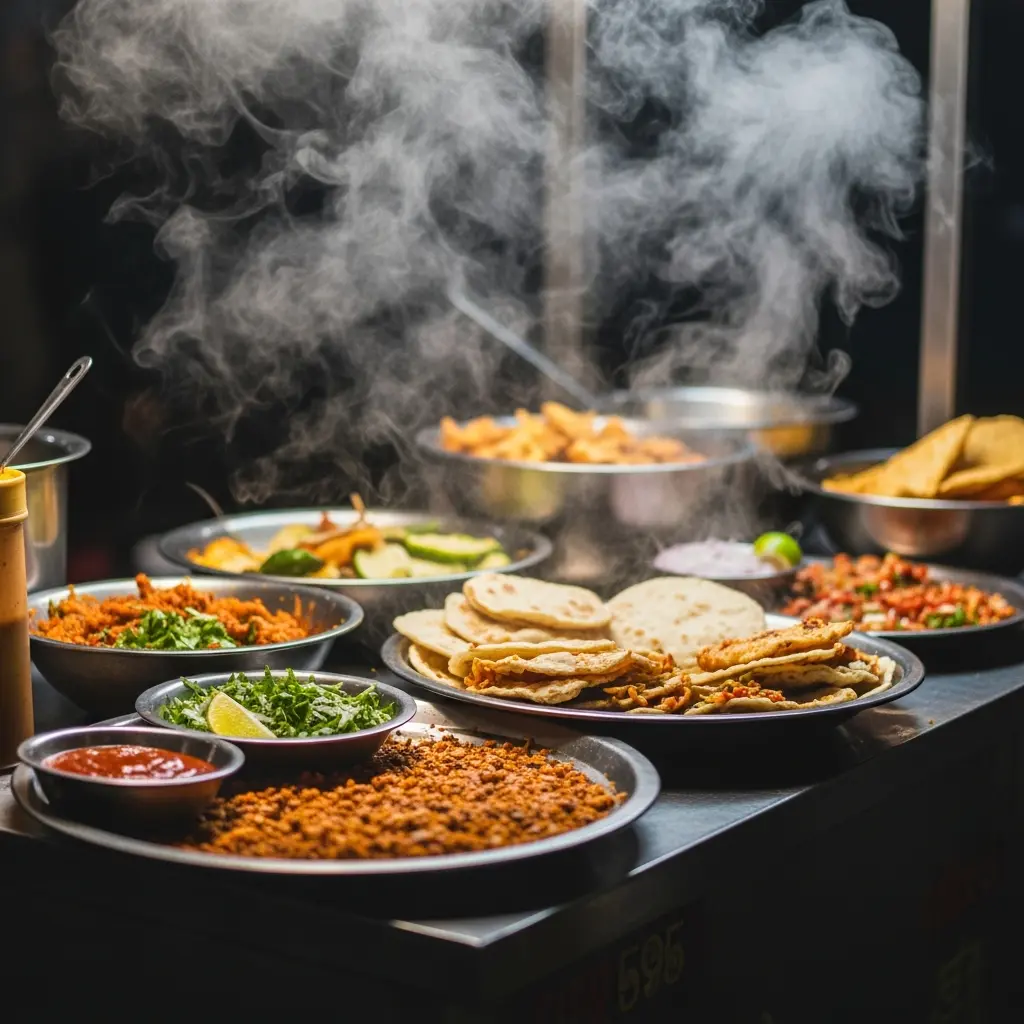
There’s something strange about street food.
You can sit in a luxury restaurant with perfect lighting, expensive interiors, and a menu designed by celebrity chefs… and still end up thinking about the ₹40 vada pav you had near a crowded railway station.
Why does that happen?
Why do simple roadside dishes sometimes leave a stronger memory than meals that cost thousands?
The answer has less to do with price—and more to do with emotion, culture, science, and human psychology.
And honestly, street food is one of the most underrated parts of food culture in the world.
Street Food Feels Alive
Restaurants are controlled environments.
Everything is measured:
Presentation
Portion size
Lighting
Music
Customer experience
Street food is different.
It feels unpredictable and real.
Food isn’t only about flavor.
It’s about atmosphere.
And street food delivers an atmosphere that feels raw, fast, emotional, and human.
The Food Is Usually Fresher Than People Think
Many people assume expensive restaurants automatically use fresher ingredients.
But street vendors often buy ingredients daily because they don’t have huge storage systems.
A busy street food stall may:
Prepare fresh batter every morning
Use vegetables bought the same day
Cook food continuously in front of customers
That freshness creates intense flavor.
In fact, some street vendors perfect just one or two dishes for years.
And when someone cooks the same dish every single day for 15 years, they become specialists in a way many restaurants cannot match.
Street Food Is Built for Flavor, Not Instagram
A lot of modern restaurants design food for photos.
That’s why many dishes today focus heavily on:
Fancy presentation
Exotic ingredients
Viral appearance
Social media appeal
Street food doesn’t care about aesthetics.
It cares about impact.
The goal is simple:
Make people stop walking because the smell is impossible to ignore.
That’s why street food often uses:
Strong spices
Bold seasoning
High heat cooking
Crispy textures
Rich sauces
Intense aromas
Street food is designed to hit instantly.
And human brains love strong sensory experiences.
The Emotional Connection Makes Food Taste Better
Food is deeply connected to memory.
Sometimes a simple plate of pani puri or momos reminds people of:
College days
School friends
Late-night outings
Family trips
Festivals
Childhood memories
That emotional connection changes how food feels.
Scientists have found that emotions directly affect taste perception.
So when people say:
“This tastes like home,”
they often mean:
“This reminds me of a moment when I felt happy.”
And expensive restaurants cannot manufacture nostalgia.
Street Food Represents Real Local Culture
One of the best ways to understand a city is through its street food.
Because street food reflects:
Local history
Migration
Community habits
Traditional cooking styles
Everyday life
Think about cities famous for food:
Mumbai and vada pav
Delhi and chaat
Kolkata and kathi rolls
Pune and misal pav
Hyderabad and biryani
These foods are not just meals.
They become part of local identity.
Tourists may visit monuments, but locals often connect emotionally through food.
The Psychology of Affordable Food
There’s also a psychological reason street food feels satisfying.
When people spend huge amounts at luxury restaurants, expectations become extremely high.
Sometimes the experience becomes stressful:
“Was this worth the money?”
“Should I pretend I like this?”
“Why is the portion so small?”
Street food removes that pressure.
It feels casual.
You eat with freedom instead of expectation.
And surprisingly, relaxed eating often increases enjoyment.
Street Food Vendors Are Some of the Hardest Workers in the Food Industry
Most people never realize how difficult street food businesses actually are.
Many vendors:
Wake up before sunrise
Work long hours in heat
Stand all day
Handle massive crowds
Compete with hundreds of stalls
Yet they continue because food is their livelihood, identity, and pride.
Some recipes are passed down across generations.
And behind every famous stall is usually years of struggle people never see.
The Future of Street Food
Ironically, as the world becomes more digital and artificial, people are starting to appreciate authentic food experiences more.
That’s why street-food-style restaurants are becoming popular globally.
People are tired of food that looks perfect but feels empty.
They want:
Real flavor
Real atmosphere
Real cultural experiences
Street food provides all three.
And no AI, luxury interior, or viral marketing campaign can fully replace that human connection.
Final Thoughts
Expensive food isn’t always better food.
Sometimes the best meals happen:
Standing near a crowded cart
Sitting on a plastic chair
Eating quickly before the next customer arrives
Because great food is not only about ingredients.
It’s about emotion, memory, culture, smell, energy, and experience.
Why Street Food Tastes Better Than Expensive Restaurant Food Sometimes